Here’s an update from Springfield on some topics you may be interested in.
Pritzker’s Budget Blame Game Won’t Make Life More Affordable for Illinois Families
Governor JB Pritzker delivered his annual Budget/State of the State Address last Wednesday to a joint session of the Illinois General Assembly.
Governor Pritzker’s proposed Fiscal Year 2027 Budget is a record-high $56 billion, nearly a billion dollars more than last year’s enacted budget. Pritzker’s spending plan relies on $728 million in new revenue, including new taxes on social media platforms and higher gaming taxes.
I released the following statement regarding the Governor’s proposed budget:
“This is Governor Pritzker’s eighth budget he’s proposed, and the eighth budget proposal that I will not be able to support. Since taking office, our budget has risen 40%. The Democrats’ solution is always to raise taxes and grasp at whatever they can to increase revenues. The Governor’s reckless proposed budget is the largest in history and panders to his political allies and leaves Southern Illinois in the dark.”
Read my full statement here.
House Republicans will continue to advocate for real solutions that address affordability by reining in out-of-control spending, cutting taxes for working families and seniors, and opposing the Democrats’ tax hikes.
Illinois families deserve real relief, not another bill to pay.
Governor Pritzker proposes new tax hikes for FY27 budget
Based on the soaring spending of the Pritzker Administration (up 40% since the current Governor took office in January 2019), existing Illinois taxes cannot match the $56 billion the Governor wants to spend. This gap has appeared even though Illinois’ sales tax rate – which is one of the highest in the nation – and its income taxes are generating record levels of cash flow to Springfield. Last October, the Governor’s Office of Management and Budget projected that, in the absence of further action, the State would have a $2.2 billion deficit in FY27.
To completely close this gap and enable the presentation of an FY27 budget document this week to the General Assembly, additional new tax revenues and budget “gimmicks” were required. Key items of budget gimmickry and hidden tax increases included the following:
- $269 million in FY27 by limiting net loss carryforwards used by Illinois firms as part of their tax planning that allows them to use past losses to lower tax liabilities in future years
- A new $200 million Social Media Platform fee that would require social media platform companies to pay the State a fee-based tax based on Illinois users
- Raising taxes on Illinois casinos and their betting customers by $120 million/year, with the burden concentrated on use of table games and gaming play at the largest casinos
- Diverting $80 million from existing Illinois sales taxation on candy, confectionery, and sweetened soft drinks from paying for infrastructure costs, and instead depositing this money in State general funds
- Lowering the percentage of income tax collections that are shared with Illinois local governments by $60 million in FY27, which will likely result in property tax increases across local governments
The challenge of electrical demand and the promise of nuclear power
In a time of unprecedented demand for electricity by both residential and commercial customers, and new data centers, Illinois – in policies headed by Gov. Pritzker – is continuing the process of shutting down most of its final coal-burning power plants. Next in the Pritzker crosshairs are natural gas generation plants. Natural gas generates more than 16% of all Illinois electricity, with this percentage spiking upward during “peaker” time periods of intensive demand for electricity.
Furthermore, Pritzker’s policies – which appear to be based on electricity from solar panels and wind farms that will generate inadequate supplies of electricity – will cost must more per kilowatt-hour than coal power or natural gas-fired power costs. This disparity is further worsened by the dependence of wind power and solar power upon an unproven network of giant batteries that are supposed to store electricity for use on calm nights when the sun is not shining. The developers of these battery farms, which have not been proved to work, say they cannot be built unless they are subsidized by Illinois electricity ratepayers. A recent new Illinois law to enact this subsidy could cost Illinois electricity customers at least $8 billion.
Illinois’ eleven nuclear generation reactors – spread out over six sites in Central and Northern Illinois – can generate thousands of megawatts of electricity, fulfilling more than 50% of our current electrical supply needs. Unfortunately, new Illinois reactor construction ceased in the 1980’s. After the Clinton Plant’s sole reactor opened in Central Illinois in 1987, the power production industry shifted towards the maintenance and safe operation of its existing plants.
The General Assembly has taken steps to change this. Laws passed in 2023 and in 2025 have lifted the “moratorium” on new nuclear power plant construction, and have encouraged the planning and rollout of small modular reactors (SMRs). Developers of the SMR concept say that because of the size and heat of these smaller reactors, they are physically unable to “melt down” in the ways understood by people who are concerned about nuclear power. The Illinois Emergency Management Agency – OHS is currently working on rules to plan for the physically safe operation of small modular reactors to help generate Illinois electricity.
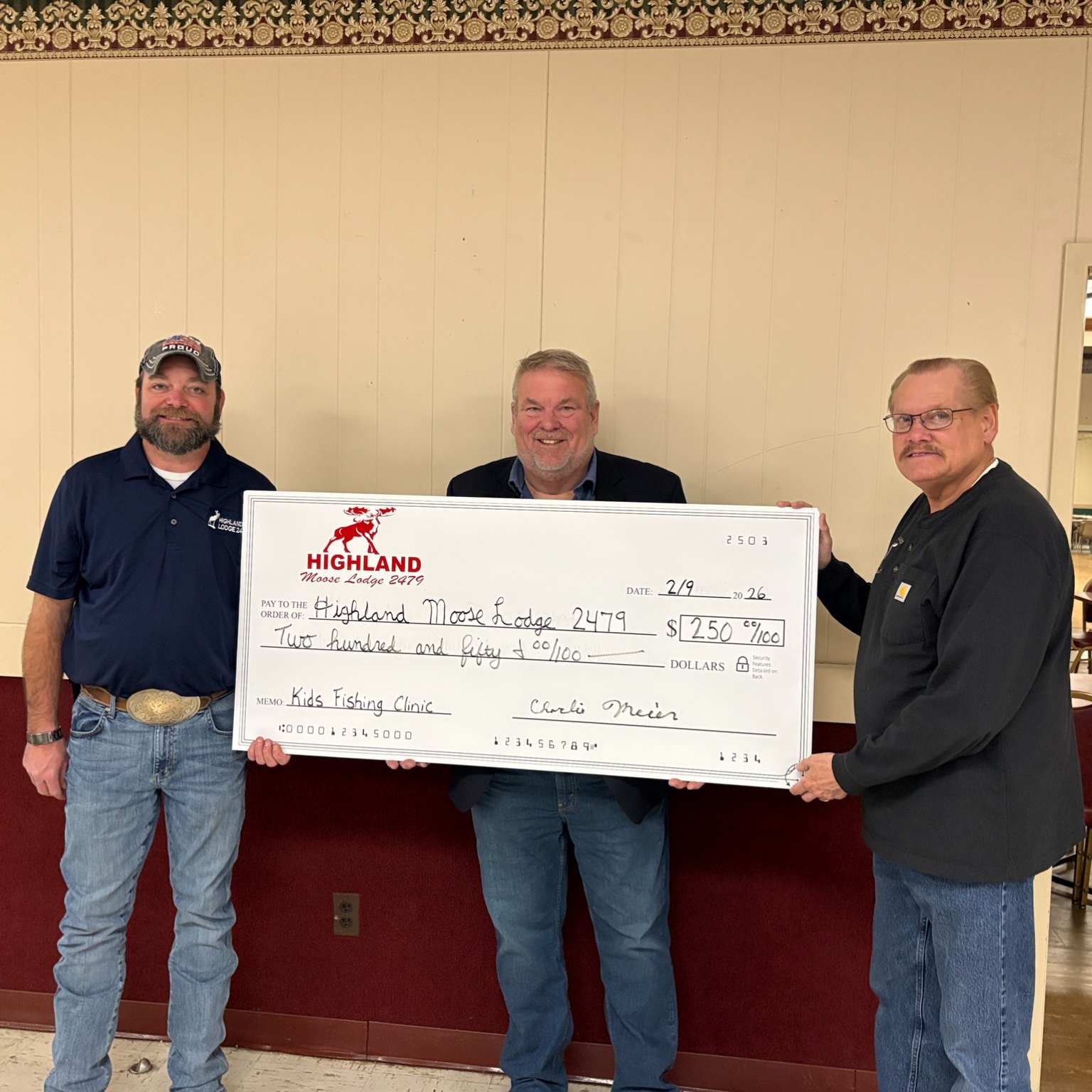
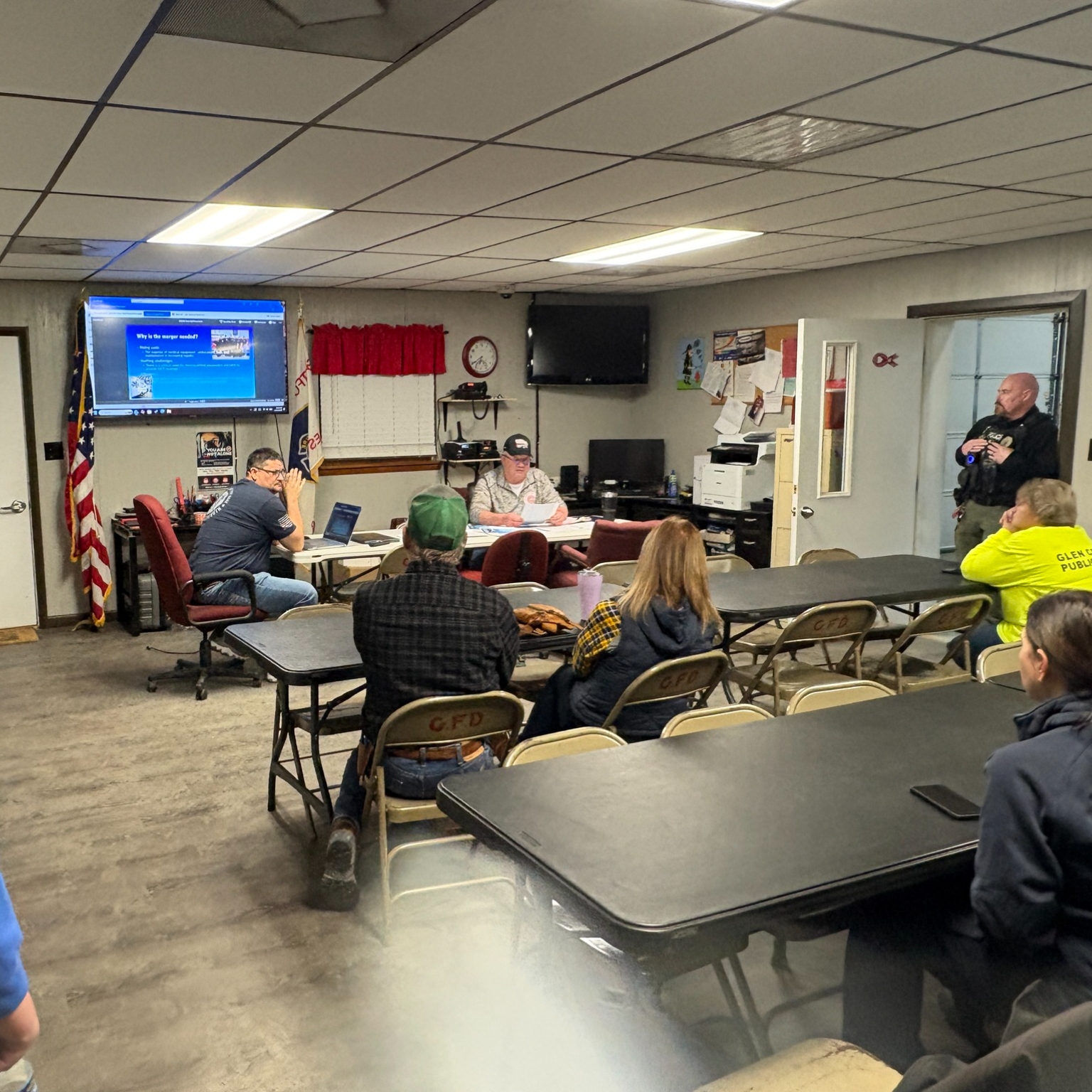
Photo Dump!



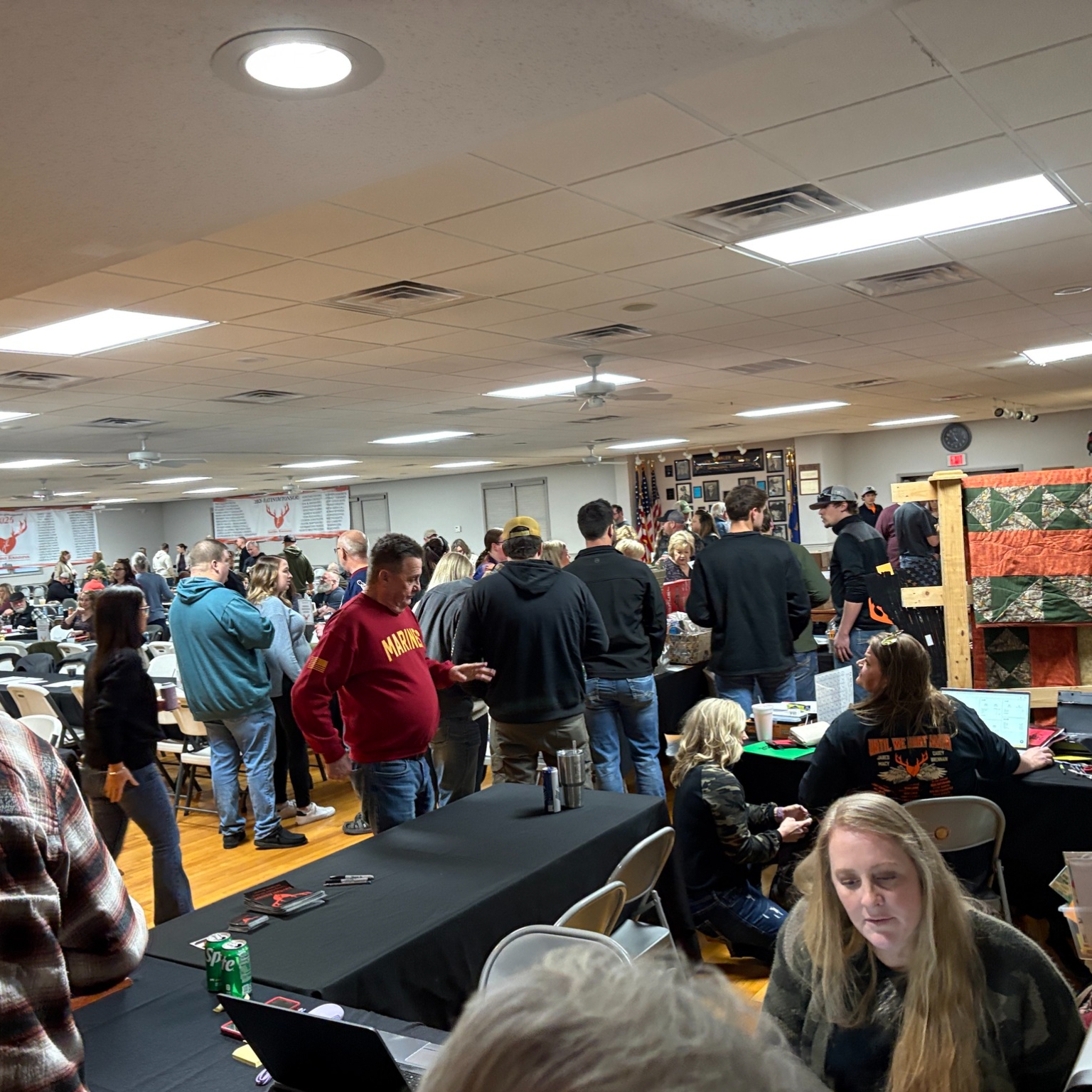


It’s an honor to serve you.
I’m back in Springfield this week for Session. I’m working to move some bills and look forward to updating you on those. If you should need assistance with a state agency, please reach out to my office. We are here to help!